Free UK MOT Checker
Check any vehicle’s MOT status instantly: expiry date, full test history, and advisories from official DVSA records. No sign-up required.
Enter UK Registration Plate

Official DVSA Data, Updated in Real Time
Our checker queries the same DVSA MOT History API used by the UK government’s own service at gov.uk. Results are updated the moment tests are recorded by approved stations across the UK.
- Covers all UK-registered cars, vans & motorcycles
- Full MOT history with advisories & failure items
- No sign-up, no payment, no data stored
- Results delivered in under 2 seconds
Quick answer: An MOT check tells you whether a vehicle has a valid MOT certificate and exactly when it expires. Enter a registration into our free MOT checker and you will instantly see the MOT expiry date, the full MOT history, any recorded advisories, and the current road tax status. All data is drawn from official DVSA and DVLA records for tests carried out in England, Scotland and Wales since 2005.
It is illegal to drive without a valid MOT (the only exception is driving to a pre-booked test), and you can book your next test up to one month minus a day before expiry while keeping the same renewal date. Checking takes seconds and costs nothing.
What Is an MOT Check?
An MOT check is the process of confirming that a road vehicle meets the minimum legal standards for safety, roadworthiness and exhaust emissions set out by the Driver and Vehicle Standards Agency (DVSA). The letters “MOT” date back to the Ministry of Transport, the government department that introduced the test in 1960, and although that department has changed names many times the abbreviation has stuck.
Today an MOT check can mean two related things: the annual physical inspection a vehicle undergoes at an approved test centre, and the online lookup that anyone can perform to confirm a vehicle’s current MOT status, expiry date and complete testing history. This page focuses on both, but the free tool at the top of the screen handles the online MOT status check for you in seconds.
When you run a registration through our MOT checker, the data comes directly from the DVSA’s testing database and the DVLA’s vehicle records. That means the information is the same data police ANPR cameras, insurers and garages rely on. You will see whether the MOT is current or expired, the precise MOT expiry date, every test the vehicle has taken since 2005, the mileage recorded at each test, and any advisory notes the tester flagged. It is the quickest way to confirm a car is legal to drive and a powerful tool when buying a used vehicle.
Definition of an MOT Test
An MOT test is a standardised annual inspection that checks a vehicle’s key safety and environmental systems against legally defined criteria. A qualified, DVSA-approved tester examines components such as brakes, steering, suspension, tyres, lights, the exhaust system, seatbelts, the windscreen and the bodywork.
The test is not a measure of mechanical condition in the way a service is. It does not check the engine oil, clutch, gearbox or general reliability. Instead it confirms that, on the day of the test, the vehicle is safe enough to use on public roads and that its emissions fall within permitted limits. If it passes, the vehicle is issued an MOT certificate valid for twelve months.
It is important to understand that an MOT pass is a snapshot. It confirms the vehicle met the required standard at the moment of testing; it does not guarantee the car will remain roadworthy for the full year, nor does it cover faults outside the scope of the test.
This is why many drivers combine their annual MOT with a full service, and why reviewing a vehicle’s MOT history is so revealing. The pattern of advisories and failures over several years tells you far more than a single certificate.
Legal Requirements in the UK
In Great Britain, almost every vehicle more than three years old must have a valid MOT certificate to be used or parked on a public road. The legal duty sits with the driver and the registered keeper. You cannot tax a vehicle without a valid MOT (where one is required), and your insurance can be compromised if your MOT has lapsed. The MOT certificate lasts for twelve months from the date of the test, after which a fresh test is required. Driving a vehicle with an expired MOT is a criminal offence enforced through automatic number plate recognition (ANPR) cameras, roadside checks and routine police patrols.
The rules are designed to keep dangerous vehicles off the road. Because the MOT, road tax (Vehicle Excise Duty) and insurance databases are all linked, allowing your MOT to expire can trigger a cascade of problems: an untaxed-vehicle penalty, an insurance dispute and a fixed penalty for the MOT itself. Running a quick MOT status check a few weeks before the due date is the simplest way to stay on the right side of the law.
Vehicles That Need an MOT
The vast majority of vehicles on UK roads require an annual MOT once they reach three years of age. This includes:
- Cars: petrol, diesel, hybrid and fully electric passenger cars (Class 4).
- Vans and light commercial vehicles up to 3,500kg, split into Class 4 (up to 3,000kg) and Class 7 (3,000–3,500kg).
- Motorcycles, mopeds and scooters (Class 1 and Class 2).
- Minibuses and larger passenger vehicles (Class 5), often with a first test at one year.
- Motor caravans, camper vans and most three-wheeled vehicles.
For most private cars and motorcycles the first MOT is due on the third anniversary of registration. Some vehicle types, such as taxis, ambulances and vehicles carrying more than eight passengers, have an earlier first-test requirement of one year. If you are unsure when a vehicle’s test is due, our MOT checker will show the exact date.
Vehicles Exempt From MOT Testing
Not every vehicle needs an MOT. Two groups are most commonly exempt. First, cars under three years old have not yet reached their first MOT date and do not require a test. A brand-new car is presumed roadworthy by virtue of being new. Second, most vehicles over 40 years old qualify for the historic vehicle exemption, provided they have not been substantially modified in the previous 30 years. The 40-year threshold rolls forward each year on a 1 April cut-off, so the pool of exempt classic vehicles grows annually.
Other exemptions exist for certain electrically powered goods vehicles, some agricultural machines, and vehicles declared off the road under a Statutory Off Road Notification (SORN). However, exemption from testing does not remove the legal duty to keep a vehicle roadworthy. Even a 40-year-old classic must be in a safe, legal condition every time it is driven, and the keeper remains responsible for that. Many owners of exempt classics still choose to put their vehicles through a voluntary MOT for peace of mind and as evidence of condition. Check a vehicle’s status now →
Penalties for Driving Without a Valid MOT
Driving without a valid MOT can result in a fine of up to £1,000. If the vehicle is found to have a dangerous fault that contributed to it being driven in an unroadworthy state, the penalty rises sharply. You can be fined up to £2,500, receive three penalty points and even face disqualification from driving.
Because MOT records are digital and linked to ANPR, enforcement is largely automated: a camera reads your plate, cross-references the MOT database, and flags the offence without any human stop being necessary.
Beyond the direct fine, an expired MOT can invalidate your insurance cover and prevent you from renewing your road tax, compounding the cost and risk. The takeaway is simple: never let your MOT lapse, set a reminder, and use the free checker to confirm your status before every long journey.
How to Check MOT Status Online (Step-by-Step)
Performing an online MOT status check is the fastest, cheapest and most reliable way to confirm whether a vehicle is legal to drive. There is no need to dig out a paper certificate or phone a garage. The official DVSA data is available instantly to anyone with the registration number. Below is exactly what you need and how to do it.
What You Need
To run a DVLA MOT check you only need one piece of information: the vehicle’s registration number (the number plate). You do not need the V5C logbook, the owner’s details or any login. This is what makes the tool so useful for used-car buyers. You can check any vehicle’s history before you even meet the seller. If you also want to confirm the road tax status at the same time, the registration is again all that is required.
Step-by-Step Process
- Enter the registration. Type the number plate into the MOT checker field at the top of this page. Spaces do not matter.
- Submit the check. Click the button to query the official DVSA and DVLA records in real time.
- Read the MOT status. The result shows whether the MOT is valid or expired, plus the precise MOT expiry date.
- Review the history. Scroll through every test since 2005, including pass/fail results, recorded mileage and advisory notes.
- Check the tax status. Confirm whether the vehicle is currently taxed and when the tax is due.
- Set a reminder. Use the free reminder form to get an email 30 days before the MOT expires.
The entire process takes under a minute and is completely free. Try it now →
Understanding Your Results
Once the check completes you will see several key fields. The MOT status tells you at a glance whether the certificate is current. The expiry date is the day the certificate runs out: you must have a fresh test on or before this date.
The test history lists each MOT the vehicle has taken, with the result, the test date, the mileage at the time and any advisories. The tax status shows whether Vehicle Excise Duty is paid and up to date. Reading these together gives you a complete picture of the vehicle’s legal standing and a strong indication of how well it has been maintained.
Pay particular attention to the relationship between mileage and dates across the history. A consistent, steadily rising mileage is healthy; a sudden drop or an implausibly small annual increase can signal a problem worth investigating, which we cover in detail in the MOT history section below.
Common Errors When Checking MOT
Most failed lookups come down to a small handful of mistakes. The most common is mistyping the registration: confusing the letter O with the number 0, or the letter I with the number 1. If no results appear, double-check each character. A second cause is that the vehicle is too new to have an MOT history: cars under three years old have never been tested, so the checker will correctly show no MOT records (only registration and tax data). Third, vehicles that have only ever been tested in Northern Ireland may not appear, because Northern Ireland runs a separate testing scheme (the DVA) and its data is not always included in the GB database. Finally, very old historic records before 2005 are not available online, as the digital MOT database begins that year.
How to Check MOT History
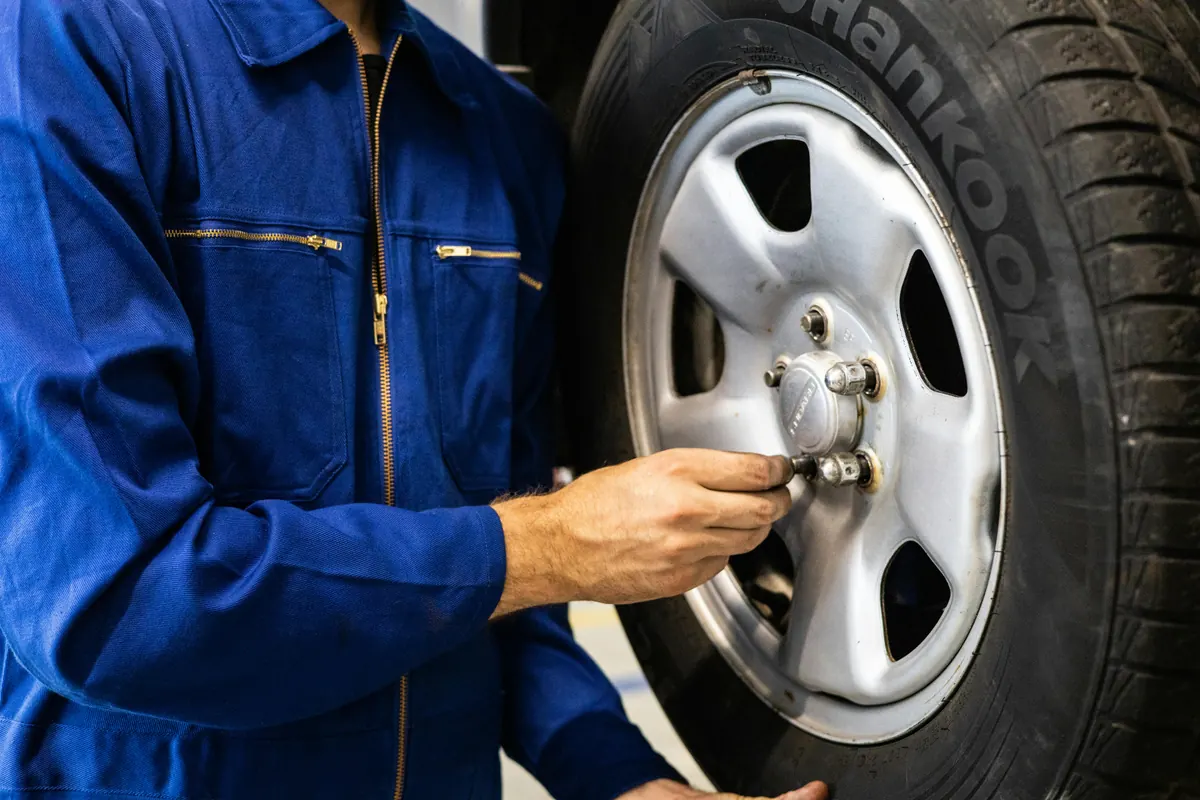
Checking a vehicle’s MOT history is one of the most valuable things you can do, whether you own the car or are thinking of buying it. While a current MOT certificate tells you the vehicle passed once, the full history tells the whole story of the vehicle’s life.
It reveals how it has been maintained, what has worn out, whether the mileage adds up, and whether any recurring problems are lurking. Our free MOT history check gives you every recorded test since 2005 in one place.
What Is MOT History?
MOT history is the complete record of every MOT test a vehicle has undergone since the DVSA’s digital database went live in 2005. Each entry captures the test date, the result (pass or fail), the mileage logged by the tester, the testing location, and any defects, advisories or failure items recorded. Because the data is entered by independent approved testers at the point of inspection, it is a remarkably honest, tamper-resistant record of a vehicle’s condition over time. It is free to access and covers tests carried out in England, Scotland and Wales.
Information Included in MOT History
- Test dates for every MOT since 2005.
- Pass or fail result for each test.
- Recorded mileage (odometer reading) at each test, allowing you to track the vehicle’s usage and spot anomalies.
- Advisory notes: items the tester flagged as worth monitoring but not serious enough to fail.
- Failure items and defect categories (minor, major, dangerous) where the vehicle did not pass.
- Retest records showing whether a failed vehicle was repaired and re-presented.
- Test location (the testing organisation), which can hint at where the vehicle has lived.
Why MOT History Is Important
There are four particularly compelling reasons to check a vehicle’s MOT history before buying or relying on it:
- Manufacturer recalls. The history, combined with a recall lookup, helps you confirm whether known safety recalls have been addressed. A pattern of related failures can hint at unresolved recall work.
- Check for retests. Frequent retests (failing then passing days later) can indicate a car that needed significant remedial work to scrape through, or even superficial fixes designed to pass.
- Look into serious fails. Major and dangerous failures, especially for structural corrosion, brakes or steering, are red flags. Even if later repaired, they tell you the vehicle has had significant problems.
- Check the mileage adds up. The mileage logged at every test should rise consistently. Any drop or implausible jump is the single clearest sign of odometer tampering.
Check any vehicle’s MOT history free →
Identifying Odometer Fraud / Mileage Rollbacks
Odometer fraud, often called “clocking”, is the illegal practice of winding back a vehicle’s recorded mileage to make it appear less used and therefore more valuable. MOT history is the most effective free tool for detecting it, because the mileage is recorded by an independent tester at every annual test.
To spot a rollback, read the mileage figures in date order. They should only ever increase. If a later test shows a lower figure than an earlier one, the odometer has almost certainly been tampered with. Be wary too of suspiciously low annual mileage that does not match the vehicle’s apparent wear, or a sudden plateau in mileage growth.
A typical car covers 7,000–10,000 miles a year; a record showing only a few hundred miles between tests on a daily-driver deserves scrutiny. If the figures do not add up, walk away. Clocking is both fraud and a safety risk, because maintenance schedules become meaningless. Verify mileage history now →
DVLA MOT Check Explained
Many people search for a “DVLA MOT check” expecting a single government service, but the reality involves two separate agencies working together. Understanding the distinction helps you know where the data comes from and why it can be trusted.
What Is the DVLA?
The Driver and Vehicle Licensing Agency (DVLA) is the government body responsible for maintaining the central register of drivers and vehicles in Great Britain. It issues driving licences, registers vehicles, collects Vehicle Excise Duty (road tax) and holds the V5C logbook records. When you tax a car online, the DVLA is the agency you are dealing with, and it is the DVLA database that ANPR cameras and online tools query to confirm a vehicle’s registration and tax status.
Difference Between DVLA and DVSA
The crucial distinction is this: the DVLA handles vehicle registration, licensing and road tax, and it sets the maximum fees that test centres can charge for an MOT. The DVSA (Driver and Vehicle Standards Agency) runs the MOT testing scheme itself. It approves test centres and testers, sets the testing standards, and owns the MOT testing database.
So when you perform an “MOT check”, the MOT pass/fail and history data comes from the DVSA, while the tax and registration data comes from the DVLA. A good MOT checker, like the one on this page, pulls from both so you see the complete picture in one search.
How DVLA MOT Checks Work
When you enter a registration into our tool, it queries the official records in real time. The DVLA side returns the vehicle’s make, colour, registration details and current tax status; the DVSA side returns the MOT status, expiry date and full testing history. Because both feeds are official and updated continuously, the result reflects the same data the authorities themselves use. There is no charge, no registration and no waiting. The combined “DVLA MOT check” is delivered instantly. Run a DVLA MOT check now →
Check MOT and Tax Together
Smart drivers always check MOT and tax at the same time, because the two are legally intertwined. Letting one lapse often causes problems with the other, and both are enforced automatically through the same ANPR network.
Why You Should Check Both
MOT and road tax are separate legal requirements with separate expiry dates, but they depend on each other. You cannot legally tax a vehicle in Great Britain without a valid MOT (where one is required). If your MOT expires, you may be unable to renew your tax, and an untaxed vehicle on a public road attracts its own penalties.
Checking both together means you never get caught out by one obligation while focused on the other. Our tool shows MOT status and tax status side by side, so a single search confirms the vehicle is fully road-legal.
Difference Between MOT and Vehicle Tax
An MOT is a safety and emissions inspection that proves a vehicle meets minimum roadworthiness standards. Vehicle tax, properly called Vehicle Excise Duty (VED), is an annual charge for using or keeping a vehicle on public roads, calculated according to the vehicle’s emissions, age and value. The MOT is about safety; the tax is about revenue. One is administered by the DVSA, the other by the DVLA. They have different costs, different rules and, importantly, often different expiry dates, which is why you should track both.
Can You Tax a Vehicle Without MOT?
In almost all cases, no. To tax a vehicle that requires an MOT, you must have a valid MOT certificate at the point of taxing. The DVLA checks the MOT database automatically. The main exceptions are vehicles that are exempt from MOT (such as those under three years old or qualifying historic vehicles), which can be taxed without a current certificate. If your MOT has expired, the priority is to book and pass a fresh test; only then can you renew your tax and legally use the vehicle. Check MOT and tax together →
Understanding MOT Test Results
When a vehicle is tested, the result is more nuanced than a simple pass or fail. The DVSA grades each issue it finds, and understanding these categories helps you interpret a result correctly, including how to read a vehicle’s full history.
Pass
A pass means the vehicle met all the minimum legal standards on the day of the test and is issued an MOT certificate valid for twelve months. No defects serious enough to fail were found, although advisories may still be noted.
Pass With Advisories
This is still a pass, and the vehicle is fully legal to drive. However, the tester has noted one or more advisory items: components that are wearing or showing early signs of a problem and should be monitored and repaired before they deteriorate into a failure. Advisories are guidance, not penalties.
Minor Defects
A minor defect is a fault that does not significantly affect safety or the environment. The vehicle still passes, but the minor defect is recorded and you are advised to repair it as soon as possible to prevent it worsening.
Major Defects
A major defect causes the vehicle to fail the MOT. It may affect the vehicle’s safety, put other road users at risk, or harm the environment. The vehicle must be repaired and retested before it can be used, unless the existing certificate is still valid.
Dangerous Defects
A dangerous defect is the most serious category. It represents a direct and immediate risk to road safety or a serious environmental hazard. The vehicle fails the MOT and you must not drive it at all until the fault is repaired, not even home from the test centre. Doing so is illegal and exposes you to the heaviest penalties.
| Aspect | Advisory (Pass) | Failure (Major / Dangerous) |
|---|---|---|
| MOT result | Vehicle passes | Vehicle fails |
| Certificate issued | Yes, valid 12 months | No new certificate |
| Legal to drive? | Yes | Major: only if old MOT still valid. Dangerous: no, never |
| Action needed | Monitor and repair when convenient | Repair before driving / before passing |
| Severity | Early warning of wear | Affects safety or environment |
| Recorded in history? | Yes | Yes |
Check your MOT result history →
MOT Advisory Check Guide
Advisories are among the most misunderstood part of the MOT, yet for used-car buyers and conscientious owners they are pure gold. An MOT advisory check reveals exactly what a tester thought was beginning to go wrong, giving you a head start on maintenance.
What Are MOT Advisories?
An MOT advisory is a note recorded by the tester about a component that passed the test but is showing signs of wear or a developing fault. The item is not bad enough to cause a failure today, but the tester is flagging it so you can keep an eye on it and arrange a repair before it becomes a major defect. Advisories appear on the test certificate and in the online MOT history, so they remain visible for years.
Common MOT Advisories
- Tyres wearing close to the legal tread limit of 1.6mm.
- Brake pads or discs wearing thin but still within limits.
- Slight play in suspension joints, ball joints or wheel bearings.
- Minor corrosion on the underbody, subframe or brake lines.
- An exhaust showing early signs of a leak or corrosion.
- Wiper blades smearing or beginning to deteriorate.
- A slightly misaligned headlamp aim.
- Oil leaks that are present but not yet excessive.
Should You Ignore Advisories?
No. While an advisory does not make your car illegal, ignoring it is a false economy and a safety gamble. An advisory is the cheapest possible warning. Addressing a thinning brake pad or a low tyre now costs far less than the failure, retest and potential accident that follow if it is left. Treat every advisory as a maintenance to-do item and tackle it before the next test.
Advisories That Often Become Failures
Some advisories are more urgent than others. Tyres flagged as approaching the tread limit will almost certainly fail the following year, because they keep wearing every mile you drive. Brake components noted as wearing thin, corrosion described as “getting serious”, and suspension play are all advisories that frequently become major defects within twelve months. If you see these on a used car’s most recent history, factor the repair cost into your offer. Check advisories on any vehicle →
How to Prepare for Your MOT: Pre-MOT Checklist
Key stat: DVSA data covering 32.6 million MOTs found that spending fifteen minutes before your test could save you a failure, a retest and the cost of an unnecessary repair.
A little preparation dramatically improves your chances of a first-time pass. Most failures come from a small number of simple, checkable items. Run through the points below before you present the car.
Lights and Electrical Equipment (most common failure: 25%)
Faulty lamps and electrical equipment are the single biggest cause of MOT failures, accounting for around 25% of all failed tests. The good news is that this is the easiest category to check at home. Walk around the car with the lights on and confirm that every bulb works: headlights (dipped and main beam), sidelights, indicators, hazard lights, brake lights (ask someone to watch while you press the pedal), the rear fog light, the number plate light and the reversing light. Replace any blown bulbs (they cost a few pounds) and check the lenses are not cracked or fogged. This one check alone prevents a quarter of all failures.
Tyres (12.8% of failures)
Tyre defects cause 12.8% of failed tests, making them the second most common reason for failure. Check that all four tyres (and the spare, if fitted) have at least 1.6mm of tread across the central three-quarters of the tyre, all the way around. A 20p coin is a handy gauge: insert it into the tread and if the outer band of the coin is visible, the tread may be too low. Inspect the sidewalls for cracks, bulges or cuts, confirm the tyres are inflated to the correct pressure, and make sure they are the correct size and type for the vehicle. Uneven wear can also indicate a tracking or suspension problem worth investigating.
Windscreen and Wipers (7.95% of failures)
Windscreen and wiper problems account for 7.95% of failures. Check the windscreen for chips and cracks: damage larger than 10mm in the driver’s direct line of sight, or larger than 40mm anywhere else in the swept area, will fail. Make sure the wiper blades clear the screen cleanly without smearing or skipping. Perished blades are an easy, cheap replacement. Confirm the washer jets work and the reservoir is topped up, because the MOT checks that you can clear the screen. Finally, ensure nothing obstructs the driver’s view, including dashboard clutter, large air fresheners or stickers in the swept area.
Full Pre-MOT Checklist
| Exterior check | What to confirm |
|---|---|
| All lights | Every bulb works; lenses intact; correct colour |
| Number plates | Clean, legible, correct font and spacing |
| Tyres | Tread ≥ 1.6mm, no damage, correct pressure |
| Windscreen | No cracks/chips in driver’s view |
| Wipers & washers | Clear the screen; reservoir filled |
| Mirrors | Present, secure and undamaged |
| Bodywork | No sharp edges or dangerous corrosion |
| Interior check | What to confirm |
|---|---|
| Seatbelts | All belts latch, retract and are undamaged |
| Horn | Works and is loud enough |
| Warning lights | Dashboard lights (ABS, airbag, etc.) go out |
| Seats | Driver’s seat adjusts and locks securely |
| Brakes | Firm pedal; handbrake holds on a slope |
| View | No clutter obstructing the windscreen |
| Under the bonnet | What to confirm |
|---|---|
| Engine oil | At correct level (affects emissions test) |
| Coolant | Topped up between min/max marks |
| Screen wash | Reservoir filled |
| Battery | Secure, terminals clean, no leaks |
| Brake fluid | At correct level |
| Visible leaks | No significant oil or fluid leaks |
Top MOT Failure Reasons (DVSA Data)
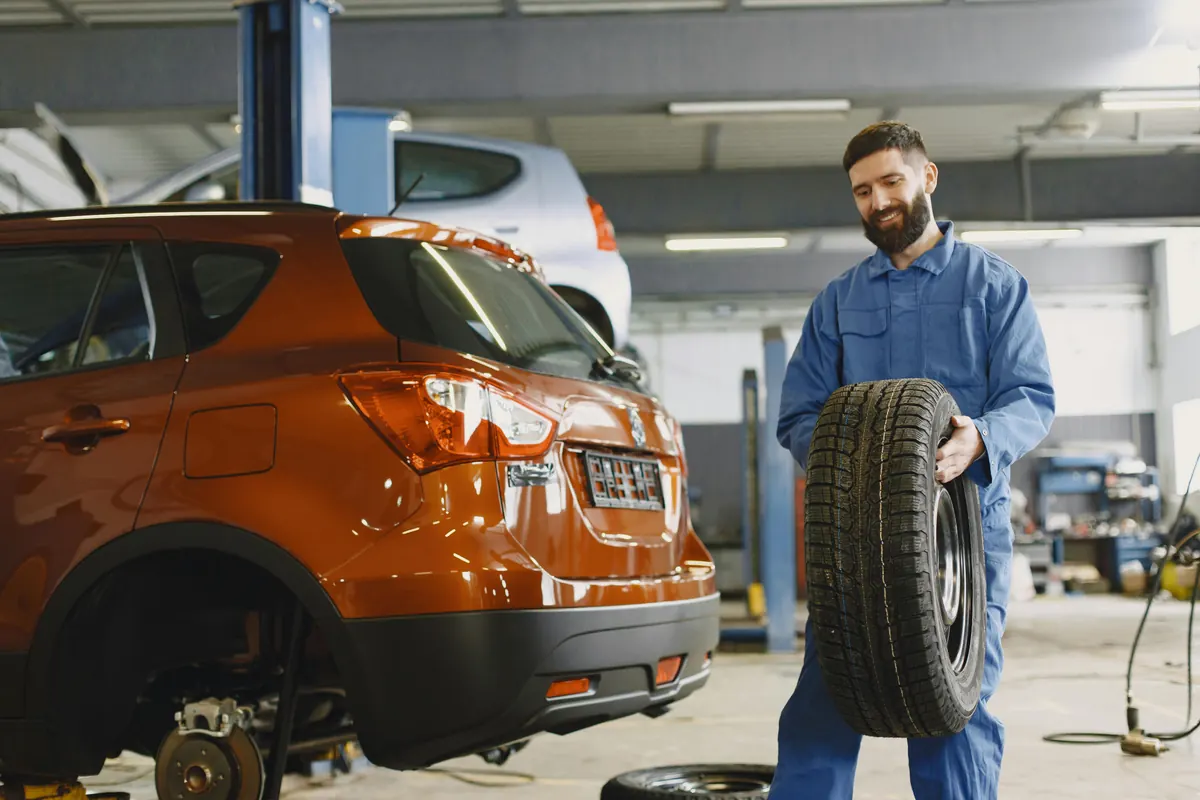
The DVSA publishes detailed data on why vehicles fail their MOT. The pattern is remarkably consistent year on year, and it is dominated by simple, avoidable faults. The table below shows the leading defect categories as a share of recorded failures.
| Defect category | Share of failures |
|---|---|
| Lamps, reflectors & electrical equipment | ~25% |
| Tyres | 12.8% |
| Suspension | ~11% |
| Brakes | ~10% |
| Driver’s view of the road (windscreen/wipers) | 7.95% |
| Steering | ~5% |
| Bodywork & structure (corrosion) | ~4% |
| Exhaust, fuel & emissions | ~4% |
| Seatbelts & restraints | ~3% |
| Registration plates & VIN | ~2% |
| Road wheels | ~2% |
| Mirrors & visibility aids | ~1% |
| Other / miscellaneous | ~12% |
The headline message is clear: the top three causes (lights, tyres and visibility) are all things any owner can check in minutes. Tackling them before the test eliminates the majority of avoidable failures.
Little-Known Mistakes That Cause MOT Failure
Some failures catch people off guard because they are not obvious mechanical faults. A dirty or obscured number plate, or one in the wrong font, will fail. An empty screen wash bottle is now a fail, because the tester must confirm you can clear the windscreen. A warning light that stays illuminated on the dashboard, such as the airbag, ABS or engine management light, is a failure even if the car drives perfectly. Insecure or missing wheel nuts, a tow bar that obscures the number plate or lights, a misaligned headlamp, and even a frayed seatbelt all catch out unprepared drivers. Most of these cost nothing or next to nothing to put right before the test. Check your MOT history for recurring faults →
What Is Checked During an MOT?
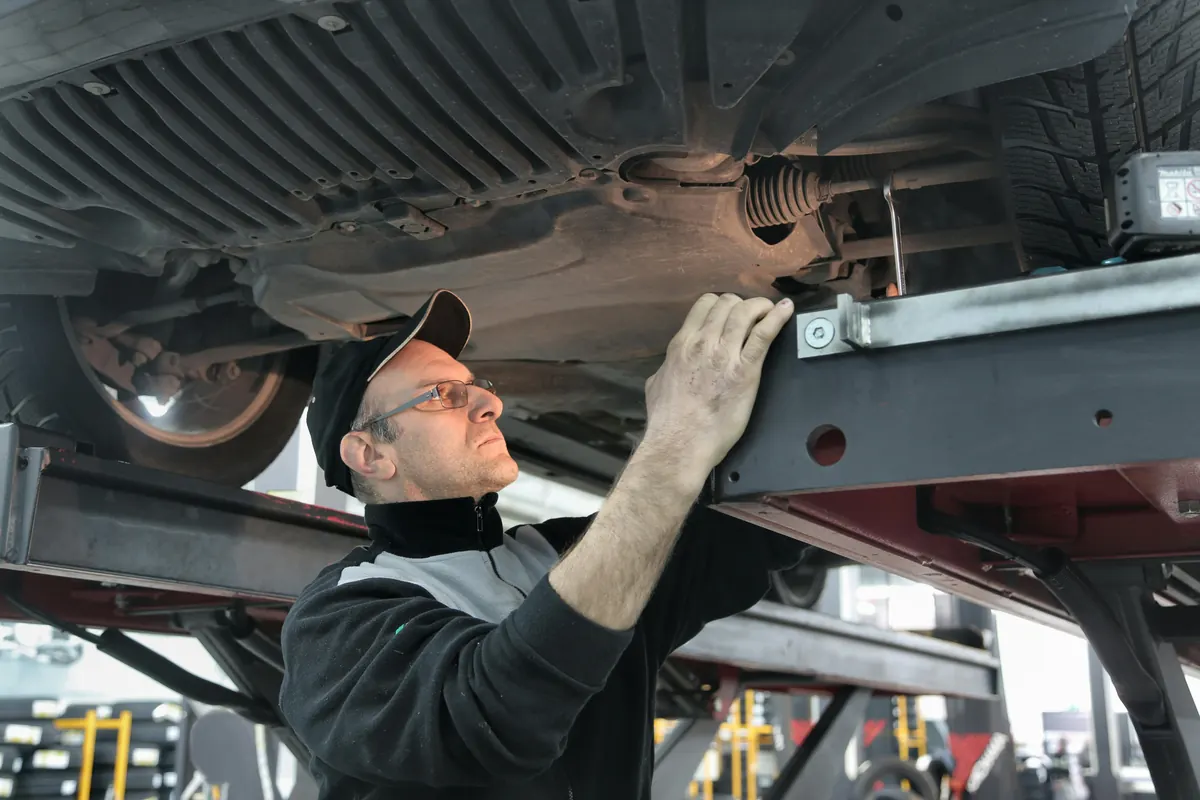
The MOT inspection follows a defined checklist set by the DVSA. The tester examines safety-critical and emissions-related systems without dismantling the vehicle. Knowing what is covered, and what is not, helps you understand the limits of a pass certificate.
What Is Checked
- Lights: headlamps, indicators, brake lights, fog lights, reflectors and their operation and alignment.
- Brakes: performance, balance, condition of pads, discs, lines and the handbrake.
- Steering: condition and operation of the steering system and power steering.
- Suspension: shock absorbers, springs and joints for wear and security.
- Tyres and wheels: tread depth, condition, size, type and wheel security.
- Seatbelts: presence, condition and operation of all belts and restraints.
- Bodywork and structure: corrosion, sharp edges and structural integrity.
- Exhaust and emissions: emissions within limits and the exhaust system secure and leak-free.
- Windscreen, wipers and washers: driver’s view and screen-clearing ability.
- Horn, mirrors and number plates: presence, condition and legibility.
- Fuel system: secure with no leaks.
- Vehicle identification: VIN and registration plate present and correct.
What Is NOT Checked During an MOT?
The MOT does not assess the general mechanical condition or reliability of a vehicle. It does not check the engine internals, the clutch, the gearbox or transmission, the condition of the cambelt, the air conditioning, or the general state of the interior trim. It is not a service and gives no guarantee that the car will not break down. This is precisely why a pass certificate is a minimum-standard snapshot, not a clean bill of health, and why a separate service and a thorough used-car inspection remain essential. Check what advisories were logged →
Buying a Used Car? Complete MOT Check Guide

An MOT check is the most powerful free tool available to a used-car buyer. Before you part with a penny, run the registration through our MOT checker and study what comes back. Ideally do this before you even view the car. Here is how to use it methodically.
Verify MOT Status
First, confirm the car has a current, valid MOT and note the expiry date. A car being sold with a long MOT remaining is more attractive and saves you an immediate test. If the MOT has expired or is about to, factor a test (and any likely repairs) into your negotiation, and remember you cannot legally drive it away without cover.
Review MOT History
Read through every test in the history. Look at how often the car has failed, what it failed for, and whether the same fault recurs year after year. A car with a clean run of passes and few advisories has likely been well looked after. A history littered with major failures, especially structural or brake-related ones, suggests a harder life.
Check Mileage Consistency
Read the recorded mileage at each test in date order. It must only ever increase, and the annual jumps should be plausible. A drop in mileage is a near-certain sign of clocking. Suspiciously low annual mileage on an older car, or a mileage that does not match the wear you see in person, should make you cautious.
Review Advisories and Failure Items
Advisories are your maintenance crystal ball. Items flagged at the last test, such as thinning brakes, tyres near the limit or developing corrosion, are repairs you will likely face soon. Use them to estimate upcoming costs and to negotiate the price down.
Red Flags to Avoid
- Mileage that decreases at any point in the history (clocking).
- Repeated failures for the same serious fault, suggesting an unresolved problem.
- Major or dangerous failures for corrosion, brakes or steering.
- A long gap with no MOT, hinting the car was off the road or neglected.
- A pattern of failing then passing within days at the same centre.
- A seller reluctant to provide the registration so you can check.
Complete Pre-Purchase MOT Checklist
| Step | What to do |
|---|---|
| 1. Get the reg | Ask the seller for the full registration before viewing |
| 2. Check MOT status | Confirm valid MOT and note the expiry date |
| 3. Read the history | Review every pass, fail and retest since 2005 |
| 4. Verify mileage | Confirm readings rise consistently and plausibly |
| 5. Note advisories | List items needing attention and price them in |
| 6. Check tax status | Confirm road tax and overall legal standing |
| 7. Check for recalls | Cross-reference the VIN against open recalls |
Run a pre-purchase MOT check →
Can I Drive Without an MOT?

It is illegal to drive without a valid MOT. If your MOT has expired, you must not use the vehicle on a public road. There is one narrow exception explained below. Doing so risks a fine of up to £1,000, and far more if the vehicle is unroadworthy.
The Only Exception
What Happens If You Miss Your MOT?
If your MOT lapses, the vehicle immediately becomes illegal to drive (except to a pre-booked test). You will be unable to renew your road tax, the vehicle may be flagged on ANPR, and your insurance could be affected. The remedy is straightforward: book a test as soon as possible, drive only to that pre-booked appointment, get the car tested and repaired, and then renew your tax. The sooner you act, the smaller the window of risk.
Fines and Penalties
Add to that the risk of invalidated insurance and an untaxed-vehicle penalty, and the case for keeping your MOT current and checking it regularly becomes overwhelming. Check your MOT status now →
MOT and Car Insurance: What You Need to Know

MOT and insurance are separate, but a lapsed MOT can undermine your cover in important ways. Understanding the relationship protects you financially and legally.
Does an Expired MOT Invalidate Insurance?
An expired MOT does not automatically cancel your policy, but it can give your insurer grounds to refuse or reduce a claim. Most policies require the vehicle to be roadworthy and legal to drive.
If your MOT has lapsed and you have an accident, the insurer may argue the vehicle was being used illegally and decline the claim, particularly if the fault that contributed to the accident would have been caught by an MOT. In practice, driving on an expired MOT puts your cover in serious jeopardy.
What Standard Insurers Will and Won’t Cover
| Scenario | Typically covered? |
|---|---|
| Valid MOT, roadworthy car | Yes, full cover applies |
| Driving to a pre-booked MOT with expired certificate | Usually, if roadworthy & insured |
| Expired MOT, general driving | Claim may be refused or reduced |
| Accident caused by an MOT-failable fault | Claim likely refused |
| Car declared SORN and driven on road | Not covered (illegal use) |
How to Insure a Car Without an MOT
You can hold insurance on a car that has no current MOT, for example a car awaiting its test or undergoing restoration. Insurance and MOT are separate products, so a policy can remain active. What changes is your ability to legally use the car: without a valid MOT you may only drive to a pre-booked test. If the car is off the road entirely, you can declare it SORN and arrange laid-up or storage cover. Always tell your insurer the true status of the vehicle, because non-disclosure is itself a reason for a claim to be refused. Confirm your MOT status →
Van MOT Explained

Vans are subject to the same MOT regime as cars, but with an important distinction based on weight. If you run a van for work or leisure, understanding which class applies and what it costs will help you budget and avoid surprises.
What Is a Van MOT?
A van MOT is the annual safety and emissions test for light commercial vehicles up to 3,500kg. Like a car MOT, it becomes due once the vehicle is three years old and must be renewed every twelve months. The test covers the same broad areas (brakes, steering, suspension, tyres, lights, structure and emissions), but the testing class, and therefore the maximum fee, depends on the van’s maximum authorised mass (MAM).
MOT Classes: Class 4 vs Class 7
Light vans are tested under one of two classes. Class 4 covers vans with a maximum weight up to 3,000kg, including most small and medium car-derived and panel vans. Class 7 covers heavier vans with a maximum weight between 3,000kg and 3,500kg, typically larger panel vans and Luton-style vehicles. Class 7 testing involves heavier-duty equipment, which is reflected in a slightly higher maximum fee.
Van MOT Costs (Maximum Fees)
The DVLA sets the maximum price a test centre can charge. For a Class 4 vehicle (a car or small van) the maximum fee is £54.85. For a Class 7 larger van (3,000–3,500kg), the maximum is £58.60. These are ceilings, not fixed prices: many garages charge less, and some offer discounts or a free retest, so it pays to shop around.
How to Avoid Van MOT Failure
| Area | Pre-test action |
|---|---|
| Lights | Check all bulbs including extra rear/work lights |
| Tyres | Confirm correct load rating and tread on all wheels |
| Loading | Remove heavy tools/stock that mask suspension faults |
| Brakes | Test pedal firmness; listen for grinding |
| Bodywork | Inspect for corrosion around load area and sills |
| Emissions | Warm the engine and check for excess smoke |
MOT for Different Vehicle Types
While the principles are the same, MOT rules vary subtly by vehicle type.
Cars
Passenger cars are tested under Class 4, with the first MOT due at three years and annually thereafter. The maximum fee is £54.85. Cars make up the bulk of MOT tests and the failure patterns described earlier, lights, tyres and visibility, apply most strongly to them.
Motorcycles and Mopeds
Motorcycles and mopeds are tested under Class 1 (engines up to 200cc) and Class 2 (over 200cc), with lower maximum fees than cars. The test focuses on the same safety fundamentals: brakes, steering, lights, tyres and structure, adapted to two wheels. The first test is due at three years.
Electric Vehicles (EVs)
Fully electric cars require an MOT exactly like petrol and diesel cars, due at three years and annually after. The key difference is that EVs have no exhaust emissions test, since they produce no tailpipe emissions. Everything else, brakes, tyres, steering, suspension, lights and structure, is tested as normal. Regenerative braking means EV brake pads often last longer, but tyres can wear faster due to instant torque and extra weight.
Hybrid Vehicles
Hybrids are treated like conventional cars for MOT purposes and must pass the standard test, including the emissions check on the petrol or diesel engine. Because hybrids run their combustion engine intermittently, it is worth ensuring the engine is fully warm before an emissions test to give the cleanest reading.
Classic Cars and Historic Vehicles (40-year exemption)
Vehicles over 40 years old that have not been substantially modified are generally exempt from the MOT under the historic vehicle exemption. Owners must still keep the vehicle roadworthy, and many choose a voluntary MOT for safety and resale confidence. The 40-year threshold rolls forward annually. Check any vehicle type now →
MOT Check for Northern Ireland
Northern Ireland runs its own MOT scheme, separate from Great Britain, and the differences are worth knowing if you buy or move a vehicle across the Irish Sea.
How MOT Works in Northern Ireland
In Northern Ireland, MOT testing is carried out by the Driver & Vehicle Agency (DVA) at government-run test centres rather than by independent garages as in Great Britain. The first test for cars is due at four years old in Northern Ireland, rather than three, after which it is annual. Because the scheme is administered separately, Northern Ireland MOT data is not always reflected in the GB online checker, so results for NI-tested vehicles may be limited.
DVA vs DVSA
The DVSA oversees MOT testing in England, Scotland and Wales, approving independent garages to test. The DVA performs the equivalent role in Northern Ireland, but it runs the test centres directly. Both enforce comparable safety standards, but the booking process, first-test age and data systems differ. If you are buying a vehicle with a Northern Ireland history, check whether its records appear and verify its status carefully. Run a vehicle check →
MOT Certificate Explained
The MOT certificate is the document that proves a vehicle passed its test. In the digital age it has changed form, and knowing how it works helps you manage records and replacements.
What Is an MOT Certificate?
An MOT certificate (officially the VT20 pass certificate) is the record confirming that a vehicle passed its MOT test on a given date. It shows the vehicle’s registration, the test date, the expiry date, the mileage at the test and any advisory notes. The certificate is valid for twelve months from the test date, and the expiry date is the deadline by which the next test must be passed.
Digital MOT Certificates
MOT records are now held digitally on the DVSA database, so the paper certificate is largely a convenience rather than a legal necessity. The authoritative record is the online one, which is why our checker can confirm your status without you producing any paper. Police, insurers and the DVLA all rely on this digital record. You can view and print your certificate details online at any time using the vehicle registration.
Replacing a Lost MOT Certificate
Because the record is digital, a lost paper certificate is rarely a problem. You can simply look the details up online and reprint them. If you need a formal replacement, a test centre can produce a duplicate for a small fee using your registration and V5C reference. There is no need to retest; the digital pass remains valid until its expiry date. View your MOT details →
How to Book an MOT Test
Booking an MOT is straightforward, but timing it well can save you money and protect your renewal date. Here is the process and the rules that matter.
Step-by-Step Booking Process
- Find an approved test centre. Look for a DVSA-approved garage displaying the blue three-triangle MOT sign.
- Check your due date. Use the MOT checker to confirm when your current certificate expires.
- Choose your timing. Book up to one month minus a day before expiry to keep the same renewal date.
- Contact the garage. Phone, visit or book online, giving your registration and preferred date.
- Prepare the vehicle. Run the pre-MOT checklist to maximise your chance of a first-time pass.
- Attend the test. Drop the car off and collect the result: pass with advisories, or a list of any failures.
The One-Month Booking Rule
You can have your MOT done early without losing any of your remaining cover, provided you time it correctly. If you test the vehicle up to one month minus a day before the expiry date, the new certificate runs from your existing expiry date, so you keep the same annual renewal date and effectively gain a few extra days of validity.
However, if you test the car more than one month early, the new twelve months run from the test date, and you lose the time between the test and the old expiry. Your renewal date resets. Timing it within that one-month window is the smart move.
Free MOT Reminder Services
The easiest way never to miss a test is to set a free reminder. Official and independent reminder services will email or text you ahead of your due date. Our free reminder, below, emails you 30 days before your MOT expires, which is ample time to book within the one-month window and keep your renewal date. Check your due date first →
Set a Free MOT Reminder
Get an email reminder 30 days before your MOT is due, completely free.
Frequently Asked Questions
Is this MOT checker free? +
How accurate is the MOT data? +
Can I check full MOT history? +
What if no results are shown? +
Can I check van or motorcycle MOT? +
Is it illegal to drive without an MOT? +
How do I check if my MOT is due soon? +
How do I check MOT history online? +
Is my car taxed and MOT’d? +
When is my MOT due? +
How early can I renew my MOT? +
Can I tax a vehicle without an MOT? +
What happens if my MOT expires? +
How do I get my MOT certificate? +
Is MOT history free to check? +
How do I check vehicle mileage history? +
Does a new car need an MOT? +
Can police check MOT instantly? +
How long does an MOT last? +
What are MOT advisories? +
Can I check someone else’s MOT? +
What is the difference between DVLA and DVSA? +
How do I report a vehicle with no MOT? +
Can I drive a SORN car to an MOT test? +
What if my car’s MOT expires mid-policy? +
What cars don’t need an MOT? +
Can I drive to an MOT test without tax? +
Can I park my car on the road without an MOT? +
What is a dangerous MOT defect? +
What happens after a failed MOT? +
How do I correct a mileage error on my MOT certificate? +
What is the maximum fine for driving without an MOT? +
Can I get insurance without an MOT? +
What is MOT Class 4 and Class 7? +
How much does an MOT cost in 2026? +
Common MOT Myths Debunked
An MOT is a legal safety and emissions inspection. A service covers oil, filters, cambelt and general condition. A car can pass its MOT and still badly need a service.
Cars under three years old do not need an MOT at all. The first test is due on the third anniversary of registration.
An advisory is a pass with a note. The car is fully legal to drive; the advisory flags a component to monitor before it becomes a failure.
An MOT is a snapshot of minimum standards on the test day. It does not cover engine internals, the clutch or gearbox, and gives no breakdown guarantee.
ANPR cameras read plates and cross-reference the MOT database in real time, flagging expired MOTs without the car being stopped.
MOT and Vehicle Excise Duty are separate obligations with separate dates. Always check both, as letting one lapse causes problems with the other.
MOT Check Glossary
| Term | Definition |
|---|---|
| MOT | The annual test confirming a vehicle meets minimum safety and emissions standards. |
| DVSA | Driver and Vehicle Standards Agency: runs the MOT testing scheme in Great Britain. |
| DVLA | Driver and Vehicle Licensing Agency: handles registration, licensing and road tax. |
| DVA | Driver & Vehicle Agency: runs MOT testing in Northern Ireland. |
| Advisory | A tester’s note about a passing component that is wearing and should be watched. |
| Dangerous Defect | A serious fault meaning the vehicle fails and must not be driven at all. |
| Major Defect | A fault that causes an MOT failure and must be repaired before use. |
| Minor Defect | A small fault recorded at a pass; repair recommended soon. |
| VED | Vehicle Excise Duty: the official name for road tax. |
| Registration Number | The number plate identifying a vehicle; all you need to run a check. |
| V5C | The vehicle logbook recording the registered keeper and details. |
| MOT Certificate | The document proving a vehicle passed its test, valid 12 months. |
| Mileage Record | The odometer reading logged at each MOT, used to detect clocking. |
| Emissions Test | The check that exhaust emissions fall within legal limits. |
| Retest | A re-examination after a failure, often free within 10 working days. |
| Pass | The result confirming a vehicle met all required standards. |
| Fail | The result when a vehicle has a major or dangerous defect. |
| Class 4 | Test class for cars and vans up to 3,000kg. |
| Class 7 | Test class for larger vans from 3,000kg to 3,500kg. |
| SORN | Statutory Off Road Notification: declaring a vehicle off the road. |
| VIN | Vehicle Identification Number: the unique chassis identifier. |
| Tread Depth | The depth of a tyre’s grooves; the legal minimum is 1.6mm. |
| ABS | Anti-lock Braking System; its warning light must not stay on. |
| EBS | Electronic Braking System used on heavier vehicles. |
| MAM | Maximum Authorised Mass: a vehicle’s maximum permitted weight. |
| Odometer | The instrument recording total distance travelled. |
| Clocking | Illegally winding back the odometer to lower recorded mileage. |
| Defect | Any fault found at the test, graded minor, major or dangerous. |
| Pre-booked Appointment | A confirmed test booking that permits driving an untested car to it. |
| Test Centre | A DVSA-approved garage authorised to carry out MOTs. |
| Approved Tester | A qualified individual authorised by the DVSA to perform MOTs. |
| MOT Due Date | The date by which the next MOT must be passed. |
| Expiry Date | The day a current MOT certificate runs out. |
| Road Tax | Everyday term for Vehicle Excise Duty. |
| Vehicle Tax | The annual charge for using or keeping a vehicle on the road. |
| Fixed Penalty Notice | An on-the-spot fine issued for certain motoring offences. |
| Dangerous Fault | A defect making a vehicle unsafe to drive immediately. |
| ANPR | Automatic Number Plate Recognition cameras that enforce MOT and tax. |
| First MOT (3-year rule) | The rule that a car’s first MOT falls at three years old. |
| Historic Vehicle Exemption | The exemption for unmodified vehicles over 40 years old. |
| Recall | A manufacturer notice to repair a known safety fault free of charge. |
| Annual Test | Another name for the yearly MOT inspection. |
| Roadworthiness | A vehicle’s fitness to be used safely on public roads. |
| Inspection | The physical examination carried out during the MOT. |
| Catalytic Converter | An exhaust component that reduces harmful emissions. |
Latest MOT Guides
What Is an MOT Test? Complete UK Guide (2026)
An MOT is an annual safety inspection required for all UK vehicles over three years old. It checks brakes…
How Long Does an MOT Last? Certificate Duration Explained
An MOT certificate lasts exactly 12 months from the test date. You can renew up to one calendar month early…
Top 10 MOT Failure Reasons in the UK (2026 Data)
The most common MOT failure reasons are lighting faults (around 18% of failures), followed by suspension…